Key Takeaways
- Fevers show up more often in fall and winter because colds, flu, and other respiratory illnesses spread more easily in the colder months.
- Most fevers mean your child's body is fighting an infection, and many can be managed at home with fluids, rest, and comfort care.
- Age matters: a baby younger than 3 months with a temperature of 100.4°F or higher needs a call to the pediatrician right away.
- Call sooner if your child looks very ill, has trouble breathing, or has a temperature that keeps rising above 104°F.
- Beittel-Becker Pediatric Associates has cared for Lancaster families since 1977 and offers same-day sick visits, so request an appointment online when your child's fever needs a closer look.
Why Do Fevers Become More Common in Fall and Winter?
As the weather cools down in Lancaster, many parents notice that the thermometer comes out more often. There is a reason for that. According to Cleveland Clinic, flu season in the United States usually starts in October, peaks between December and February, and winds down in early spring.
This time of year is sometimes called 'respiratory season' because the flu is not the only illness on the rise. Colds, sinus infections, respiratory syncytial virus (RSV), and pneumonia also tend to peak during the colder months.
With school, child care, and holiday gatherings in full swing, germs have plenty of chances to spread from one child to the next.
Common Illnesses Behind Seasonal Fevers
A fever is a symptom, not an illness on its own. It is usually a sign that your child's immune system is working. During fall and winter, common causes of fever in kids include:
- The common cold
- The flu (influenza)
- Ear infections
- Stomach bugs
- Urinary tract infections (UTIs)
Cleveland Clinic lists these as common infections that can cause a fever in children. Your pediatrician can help find the cause and recommend the right next steps.
What Counts as a Fever in Kids at Different Ages?
A 'normal' body temperature is not one exact number. It shifts a little during the day and can change with age and activity. The type of thermometer you use also changes what counts as a fever.
Here is how Cleveland Clinic defines a fever by age and thermometer type:
| Child's Age | Type of Thermometer | Temperature That Counts as a Fever |
|---|---|---|
| Birth to 5 years | Rectal (in the bottom) | 100.4°F (38°C) |
| Birth to 5+ years | Armpit | 99°F (37.22°C) |
| Birth to 5+ years | Forehead | 100.4°F (38°C) |
| 2 to 5+ years | Ear | 100.4°F (38°C) |
| 5+ years | Mouth (oral) | 100°F (37.77°C) |
For babies and young children, a rectal thermometer gives the most accurate reading. For older kids who can hold a thermometer under their tongue, an oral reading is most accurate.
Fever in Babies: When to Worry
Babies need extra attention when they run a fever. The American Academy of Pediatrics (AAP) advises parents to call the pediatrician right away if a baby younger than 3 months has a temperature of 100.4°F or higher.
For newborns, a temperature that is too low can also be a warning sign. Cleveland Clinic advises calling a provider if a baby under 3 months has a rectal temperature below 97.7°F.
The AAP also recommends calling your child's doctor if:
- A fever lasts more than 24 hours in a child younger than 2 years.
- A fever lasts more than 3 days (72 hours) in a child 2 years or older.
- Your child still 'acts sick' after the fever comes down.
- Your child seems to be getting worse.
Home Comfort Measures Pediatricians Recommend
Many fevers in kids can be managed at home. The goal is to keep your child comfortable, not to bring the number down to normal. These simple steps can help:
- Offer plenty of fluids. Staying hydrated is one of the most important things you can do when your child has a fever.
- Encourage rest. Quiet time helps the body fight infection.
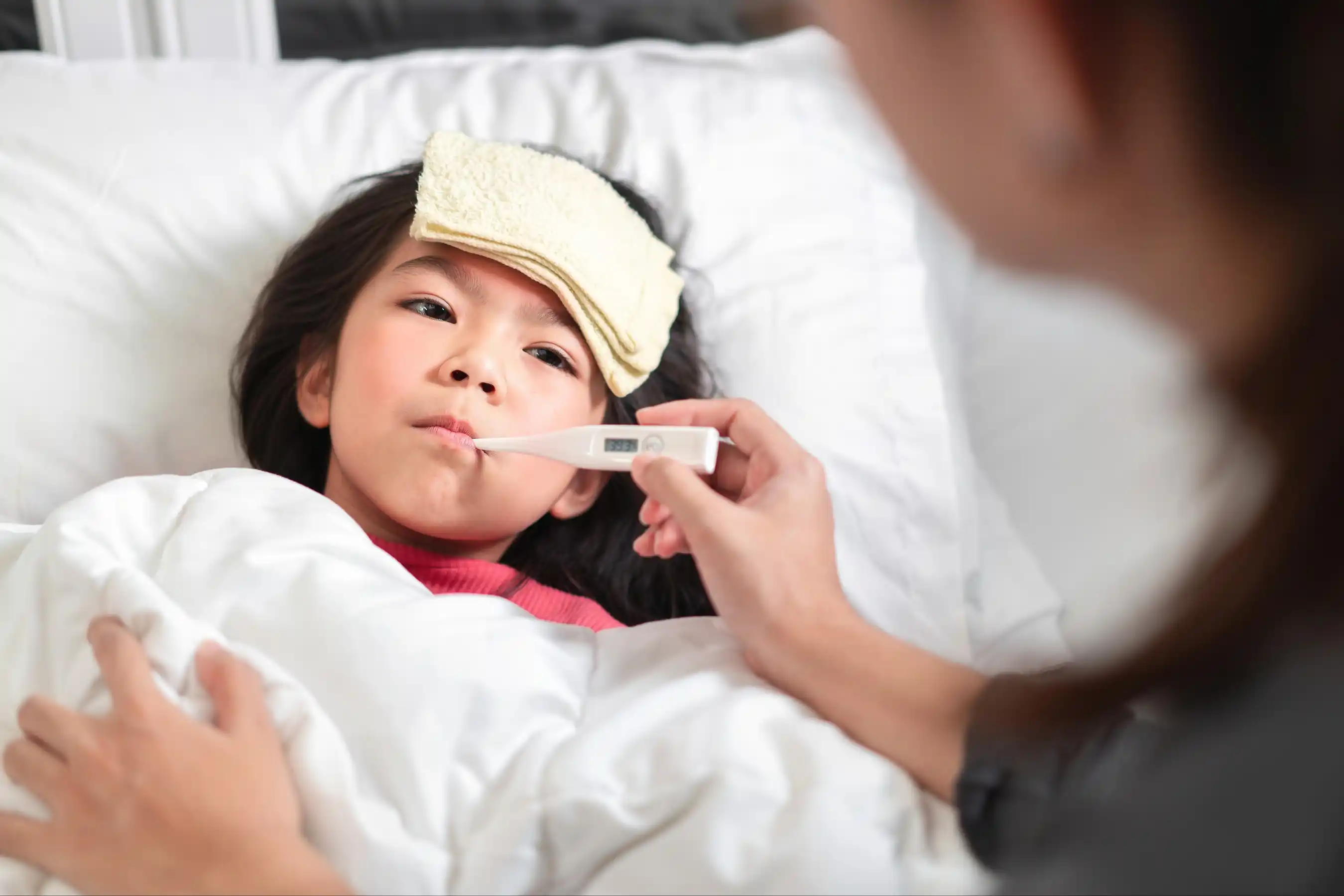
- Use a cool compress. A cool, damp cloth on the forehead can feel soothing.
- Ask about fever medicine. Children's acetaminophen can help a child feel better, but check with your pediatrician first for the right product and dose for your child's age and weight.
- Watch how your child acts. If your child plays and interacts with you after taking medicine, that is a good sign.
Flu Shots Are Part of Fever-Season Prevention
The best way to help prevent the flu is a yearly flu shot. Flu vaccines are now available at Beittel-Becker Pediatric Associates, and the annual flu vaccine is recommended for everyone 6 months and older. When you request a flu shot appointment online, type 'Flu Shot' in the comments section of your request.
Cleveland Clinic notes that early fall is an ideal time to get vaccinated, but it is never too late in the season to get a flu shot.
When a Fever Needs a Same-Day Sick Visit in Lancaster
Some fevers need a doctor's exam, even if they are not an emergency. Call your pediatrician right away if your child has a fever and:
- Looks very ill, is unusually drowsy, or is very fussy
- Has a stiff neck, severe headache, severe sore throat, or severe ear pain
- Has trouble breathing or an unexplained rash
- Has repeated vomiting or diarrhea
- Has had a seizure
- Has a temperature that rises above 104°F again and again
When your child is sick, Beittel-Becker Pediatric Associates makes every effort to fit in same-day appointments. During an acute (sick) visit, one of the practice's board-certified pediatricians will:
- Examine your child for signs of illness or discomfort
- Ask about your child's symptoms
- Ask about any recent changes in health or behavior
- Talk through what may have caused the illness
From there, your pediatrician will recommend a treatment plan made for your child. That may include prescription medicine, over-the-counter remedies, or tips to ease symptoms at home.
Sick Visit or Emergency Room?
A sick visit is not meant for emergencies. If your child has a severe breathing problem, a seizure, a severe allergic reaction, a serious injury, or heavy bleeding, call 911 or go to the nearest emergency department right away.
Get Your Child Seen Quickly This Fever Season in Lancaster
Fevers are common in fall and winter, and most are a sign that your child's body is doing its job. Knowing what counts as a fever by age, and which signs need a call, can help you feel more confident when your child gets sick.
If your child's fever has you worried, request an appointment online for a same-day sick visit at Beittel-Becker Pediatric Associates. The team has been caring for Lancaster children since 1977 and is ready to help your family through fever season.
Frequently Asked Questions
How do I find a pediatrician near me in Lancaster, PA, during fever season?
Look for a practice that offers same-day sick visits and has providers who already know your child. Beittel-Becker Pediatric Associates is located at 2150 Noll Drive in Lancaster and offers same-day appointments for sick children whenever possible.
When should I worry about a fever in my baby?
Call your pediatrician right away if your baby is younger than 3 months and has a temperature of 100.4°F or higher. For older babies, call if the fever lasts more than 24 hours, keeps rising above 104°F, or your baby seems very ill, drowsy, or fussy.
How long do fevers in kids usually last?
Many fevers from common viruses go away on their own. The AAP recommends calling your pediatrician if a fever lasts more than 24 hours in a child under 2, or more than 3 days in a child 2 or older.
Can I get a same-day sick visit in Lancaster for my child's fever?
Yes. Beittel-Becker Pediatric Associates does its best to make room for same-day sick appointments. You can request an appointment online or call the office.
Should I take my child to urgent care or the pediatrician for a fever?
For most fevers that are not emergencies, your child's pediatrician is a great first choice. Your pediatrician already knows your child's health history, and an office visit usually costs less than urgent care or the emergency room.
