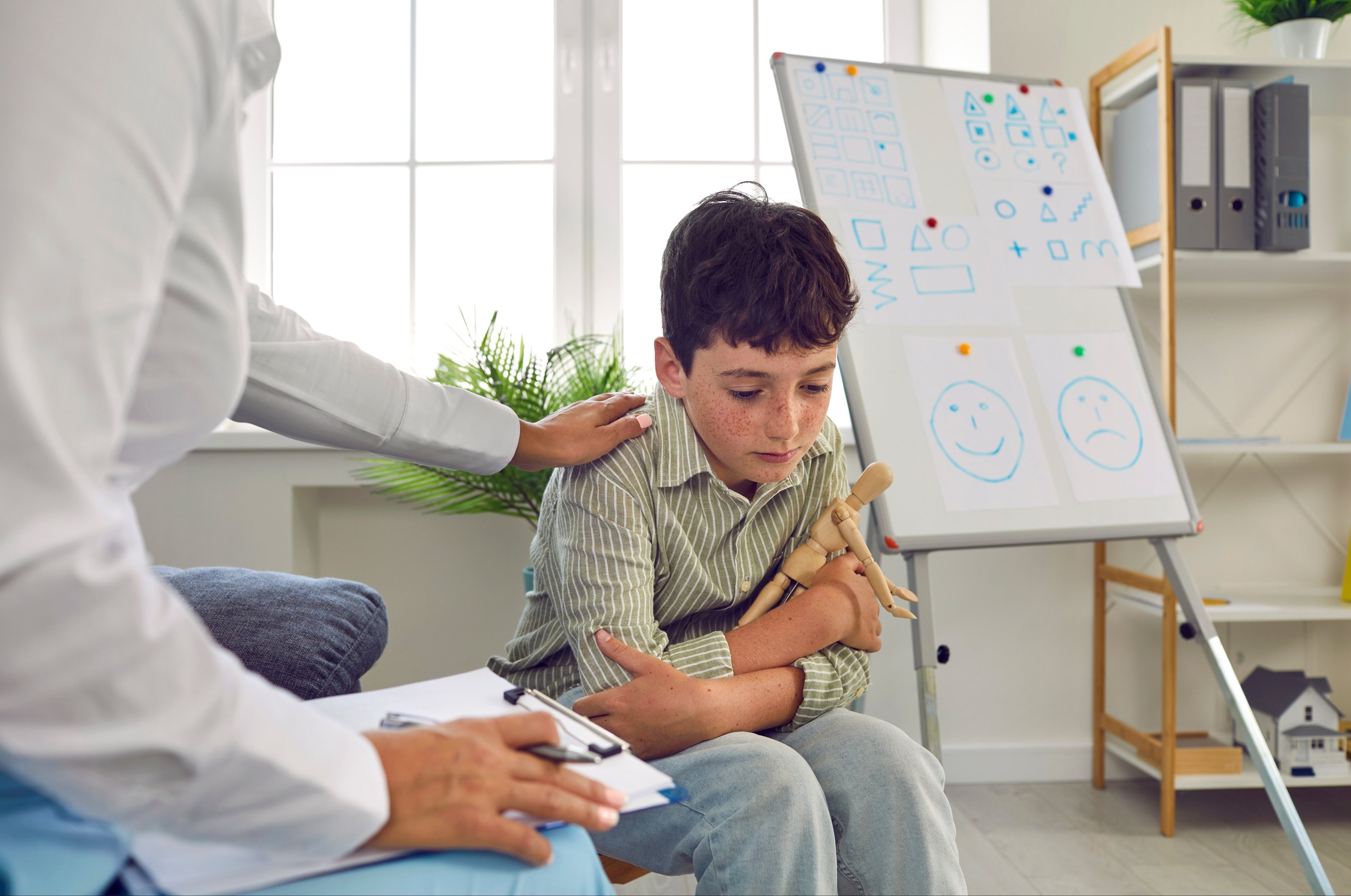
Key Takeaways
- Worry is a normal part of growing up: Most children experience fear or worry during developmental milestones, such as starting school or sleeping alone.
- Duration and intensity matter: Anxiety becomes a concern when fears are persistent, disproportionate to the situation, and interfere with daily life.
- Physical symptoms are common: Stomachaches, headaches, and sleep disturbances often accompany anxiety disorders in kids.
- Professional support makes a difference: Early diagnosis and treatment, including therapy and sometimes medication, are highly effective.
- Expert care is available: If you are concerned about your child's emotional well-being, Beittel-Becker Pediatric Associates provides the high-quality care your child needs and the advice and counsel you desire in PA. Schedule an appointment today to discuss your concerns with our compassionate team.
Understanding Normal Childhood Fears
Watching your child struggle with fear is never easy, but it is important to remember that worry is a natural emotional response. As children navigate the world, they encounter new experiences that can be intimidating. These fears often coincide with specific developmental stages.
For example, toddlers frequently experience separation anxiety when away from their parents. Preschoolers might develop fears of the dark, monsters, or animals. As children reach school age, worries often shift toward academic performance, social acceptance, or real-world dangers like natural disasters.
These 'normal' worries are usually temporary. They tend not to stop a child from participating in activities, playing with friends, or going to school. A child might be nervous about a big test, but once the test is over, the worry dissipates.
When Does Worry Become Anxiety in Kids?
The line between typical childhood fears and an anxiety disorder can sometimes feel blurry. The primary distinction lies in the severity, duration, and impact of the worry. An anxiety disorder involves fear or stress that is out of proportion to the actual danger or situation.
Unlike a fleeting worry, anxiety hangs around. It is persistent and can feel uncontrollable for the child. If a child's fear prevents them from doing things they enjoy or interferes with their daily functioning—like eating, sleeping, or attending school—it may be time to investigate further.
Anxiety vs. Worry: A Comparison
To help parents distinguish between the two, consider this comparison of typical behaviors versus potential red flags.
| Feature | Normal Childhood Worry | Potential Anxiety Disorder |
|---|---|---|
| Duration | Temporary; fades after the stressful event passes. | Long-lasting; persists for weeks or months. |
| Intensity | Manageable; the child can be reassured or distracted. | Intense; the child is difficult to console, and distress is high. |
| Trigger | Specific to a realistic situation (e.g., a test, a scary movie). | Generalized or disproportionate to the situation; 'what if' thinking. |
| Impact | Minimal interference with daily routine. | Significant interference; avoidance of school, friends, or activities. |
| Physical Signs | Occasional butterflies in the stomach. | Frequent headaches, stomachaches, fatigue, or muscle tension. |
Recognizing the Signs of Childhood Anxiety
Anxiety in kids does not always look like hyperventilation or a panic attack. In fact, children often lack the vocabulary to say, 'I am feeling anxious.' Instead, their distress manifests through behavior and physical complaints.
Behavioral Signs
- Avoidance: Refusing to go to school, attend birthday parties, or participate in extracurricular activities.
- Clinginess: Excessive attachment to parents or caregivers, even when safe.
- Irritability: Frequent tantrums, crying spells, or acting out, especially when anticipating a stressful event.
- Perfectionism: An intense fear of making mistakes or failing.
- Sleep Issues: Difficulty falling asleep, frequent nightmares, or refusing to sleep alone.
- Reassurance Seeking: Asking the same questions repeatedly despite being given answers.
Physical Symptoms
Because the brain and body are connected, emotional distress often shows up physically. This is especially common in younger children.
- Frequent stomachaches or nausea
- Headaches
- Muscle tension or body aches
- Fatigue or restlessness
- Shortness of breath or rapid heartbeat during stressful moments
If you notice a pattern of these symptoms, keeping a log of when they occur can be helpful when speaking with a pediatrician.
Common Triggers for Anxiety in Children
While genetics and brain chemistry play a role, environmental factors and life events can also trigger anxiety. Understanding these triggers can help parents support their children more effectively.
- Major Life Changes: Moving to a new home, changing schools, or the arrival of a sibling.
- Family Stress: Divorce, financial difficulties, or illness within the family.
- School Pressure: High academic expectations, bullying, or social challenges.
- Traumatic Events: Experiencing or witnessing an accident, natural disaster, or loss.
Sometimes, there is no specific trigger. Generalized Anxiety Disorder (GAD) involves excessive worry about a wide variety of things, from grades to family safety to the weather, often without a clear cause.
How Pediatricians Diagnose Anxiety
Diagnosing anxiety involves a comprehensive evaluation. At Beittel-Becker Pediatric Associates, we look at the whole picture of a child's health. This typically begins with a physical exam to rule out medical conditions that could be causing symptoms like rapid heart rate or stomach pain.
Pediatricians also use specific screening tools and questionnaires. These tools, often referred to as a childhood anxiety symptoms checklist, help quantify the severity of the symptoms. We will discuss the child's history, family history of mental health issues, and observations from parents and teachers.
The goal is to understand how the anxiety is affecting the child's life and to determine the specific type of anxiety disorder, such as separation anxiety, social anxiety, or generalized anxiety.
Treatment Options and How to Help
The good news is that childhood anxiety is highly treatable. The approach depends on the severity of the anxiety and the age of the child.
Therapy
Cognitive Behavioral Therapy (CBT) is considered the gold standard for treating anxiety in children. CBT helps kids identify unhelpful thought patterns and teaches them coping mechanisms to manage their fears. Exposure therapy, a type of CBT, gently helps children face their fears in a safe and controlled environment.
Parental Support
Parents play a crucial role in treatment. Learning how to help a son with anxiety or a daughter with fears involves modeling calm behavior. Avoid reinforcing fears by allowing children to skip scary situations (avoidance), as this often makes anxiety worse over time. Instead, validate their feelings ('I know this is hard') while encouraging them to face the challenge ('I know you can be brave').
Medication
For moderate to severe anxiety, medication may be recommended, usually in combination with therapy. Selective Serotonin Reuptake Inhibitors (SSRIs) are commonly prescribed and can be very effective in reducing symptoms, making it easier for the child to engage in therapy and daily life.
Get Expert Care for Your Child’s Mental Health
It can be overwhelming to determine if your child is just going through a phase or needs professional help. You do not have to make that decision alone. Beittel-Becker Pediatric Associates is here to guide you through the process, from initial evaluation to effective treatment plans tailored to your family's needs.
Don't wait for the worry to pass. Schedule an appointment with Beittel-Becker Pediatric Associates in Lancaster, PA today to give your child the support they deserve.
Frequently Asked Questions
At what age does anxiety usually start in children?
Anxiety can present at any age. Separation anxiety is common in toddlers and preschoolers. Generalized anxiety and social anxiety often emerge around school age (ages 6-12) or during the teenage years. Early intervention is key, regardless of age.
Can a child grow out of anxiety?
While some children may learn to manage their worries as they mature, untreated anxiety disorders often persist or worsen over time. They can lead to other issues, such as depression or academic struggles. Professional treatment equips children with lifelong coping skills.
What should I do if my child is having a panic attack?
Stay calm. Speak in a soothing voice and remind your child that they are safe and the feeling will pass. Encourage them to take slow, deep breaths. Once the episode is over, discuss it with your pediatrician to develop a plan for the future.
